Recurring Family Traffic
Changing content, memberships, programs and events create reasons for families to return throughout the year.
A scalable family experience platform designed to create recurring visits, longer dwell time, community participation and new reasons for families to choose a property.
Future Experience is designed to create recurring reasons for families to choose a property, stay longer, combine entertainment with other uses and participate in a wider community platform.
Changing content, memberships, programs and events create reasons for families to return throughout the year.
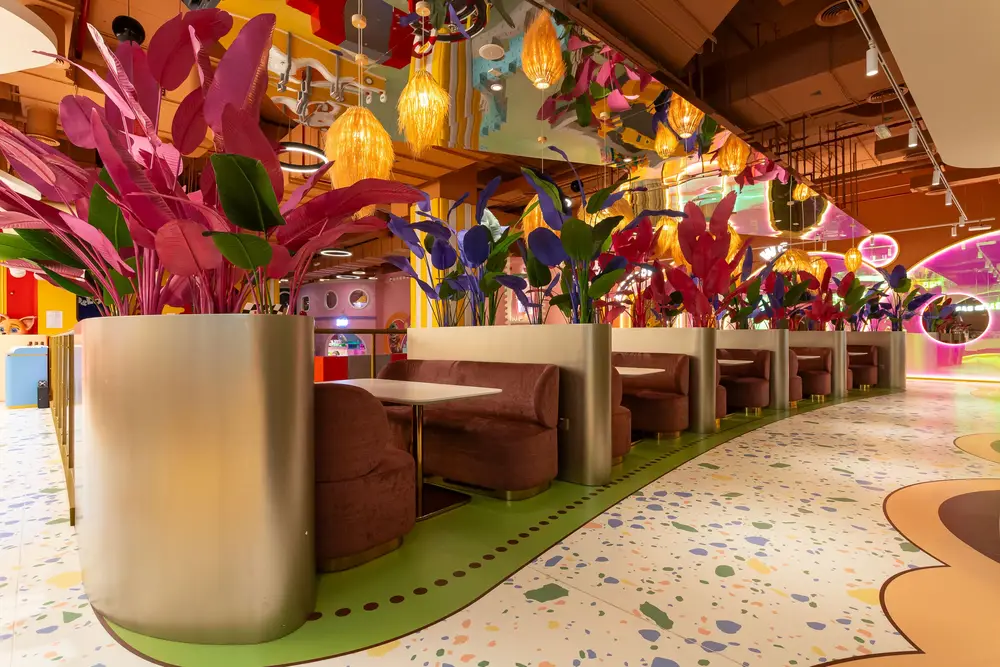
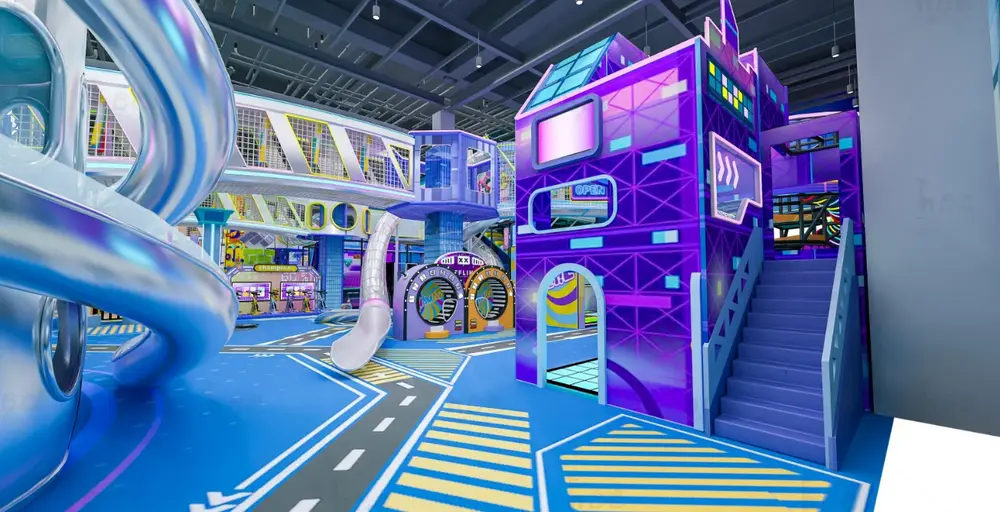
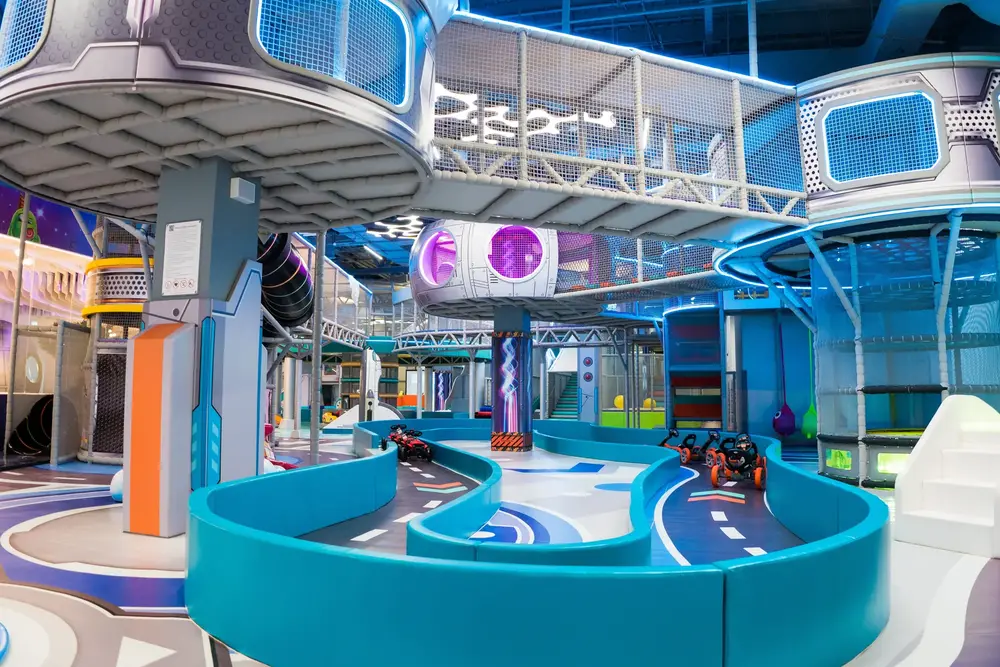
Active play, creation, programs, parties and family participation support longer, multi-purpose visits.
A concept designed for children and adults can strengthen a property’s relevance to family households and group demand.
Family entertainment can complement restaurants, retail, services and other destinations in the same property.
Schools, events, competitions, programs and partnerships can make the property a recurring community destination.
Our experience spans hospitality, family entertainment, park development and management, programming, events, research and the creation of concepts for children and families.
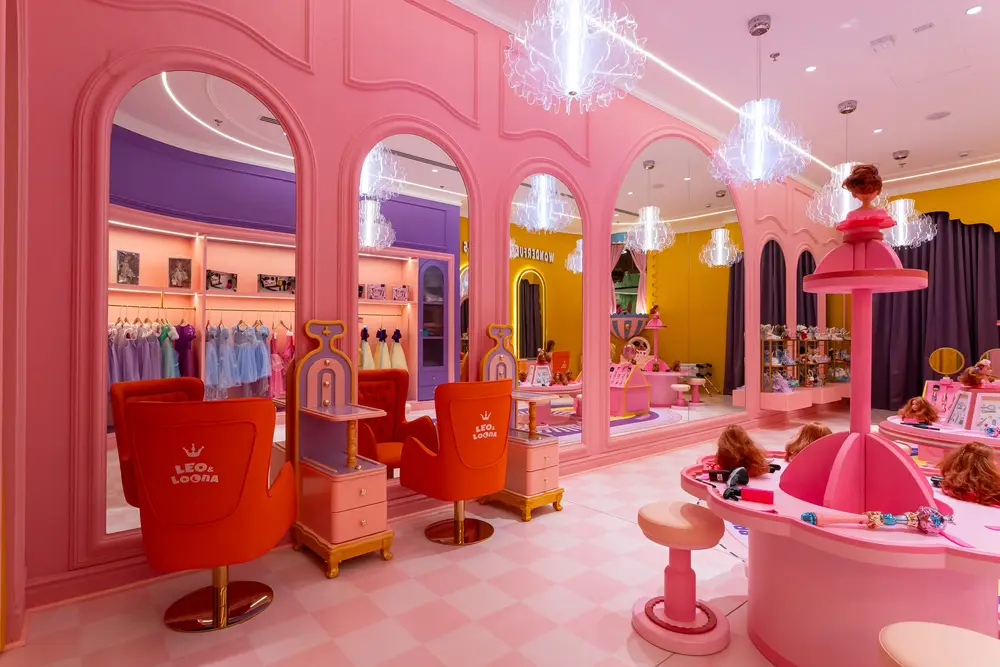
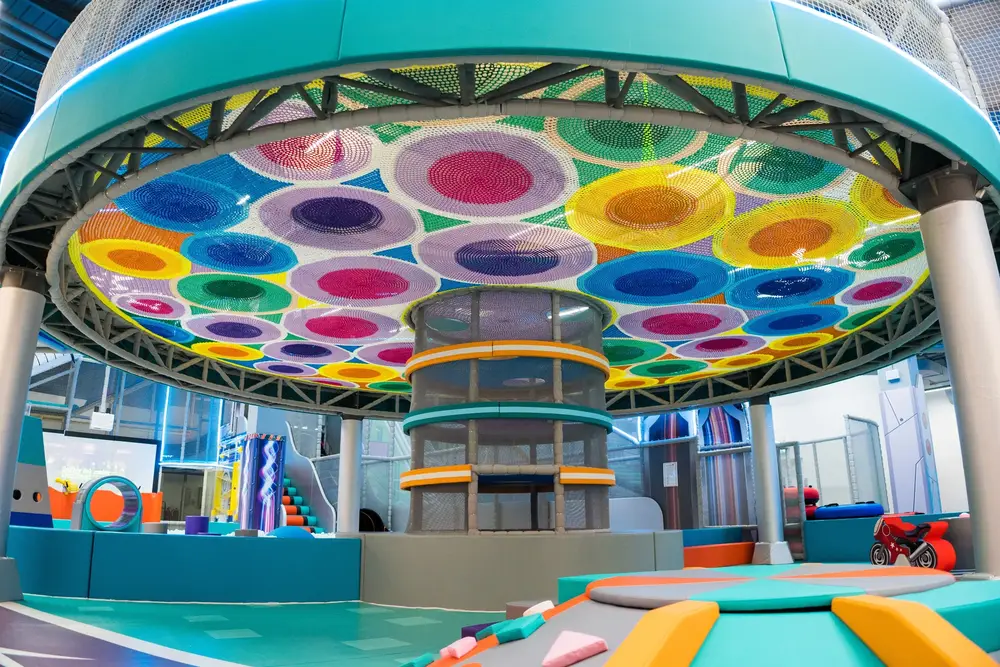
A diversified model combines visit revenue with recurring memberships, events, workshops, retail and institutional demand. The mix below is an illustrative planning architecture.
| Revenue Stream | Illustrative Mix | Role |
|---|---|---|
| General Admission | ~35% | Core visit revenue |
| Memberships & Passes | ~24% | Recurring revenue |
| Birthday Parties & Events | ~20% | High-intent group demand |
| Workshops & Camps | ~8% | Programming + weekday use |
| Sponsorships | ~5% | Partner-funded programs |
| Digital Outputs & Merch | ~4% | Store + production |
| School & Group Programs | ~4% | Institutional demand |
Hover, tap or wait: the table and chart highlight the same revenue stream.
A connected system that moves from active play and discovery to creation, skill development, presentation and celebration.
Movement, challenge, active play, physical confidence and age-appropriate adventure.
PHYSICAL ACTIVITY ZONEAI, science, space, energy, data, nature, society and possible futures.
FUTURE EXPLORATION ZONEGames, apps, books, media, robots, designs, products, businesses and inventions.
FUTURE CREATION ZONEThinking, communication, science, leadership, presentation, teamwork and collaboration skills.
SKILLS DEVELOPMENT ZONELaunches, demonstrations, performances, competitions, exhibitions and public programs.
MULTIPURPOSE HALLBirthdays, school milestones, achievements, team moments, holidays and private celebrations.
PARTY ROOMSOur county-level GIS screening compares family-market demand with existing family-entertainment supply. Higher Gap Scores indicate stronger apparent need and help prioritize markets for deeper property-level diligence.
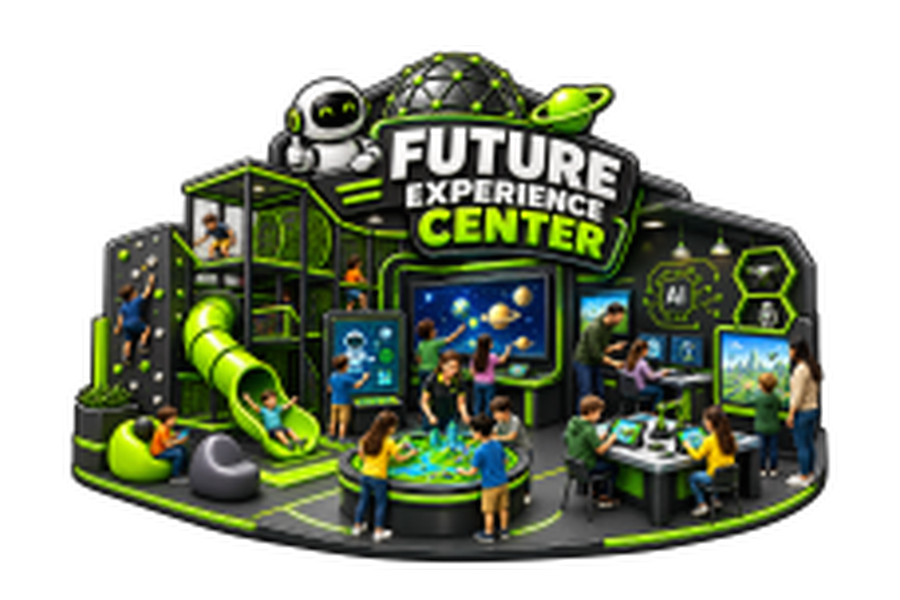
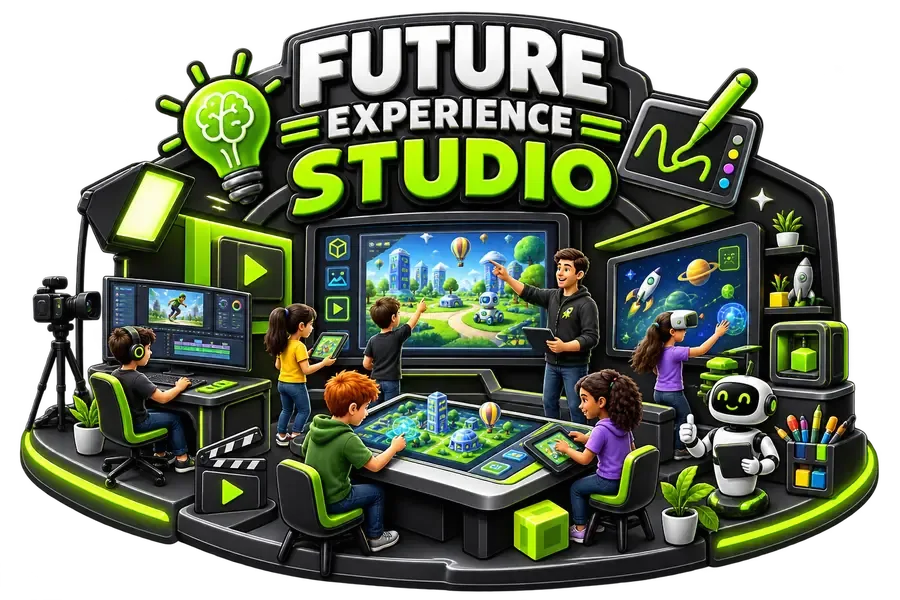
The first three Future Experience formats cover a wide range of spaces, from a flagship destination to a compact creator-focused environment.
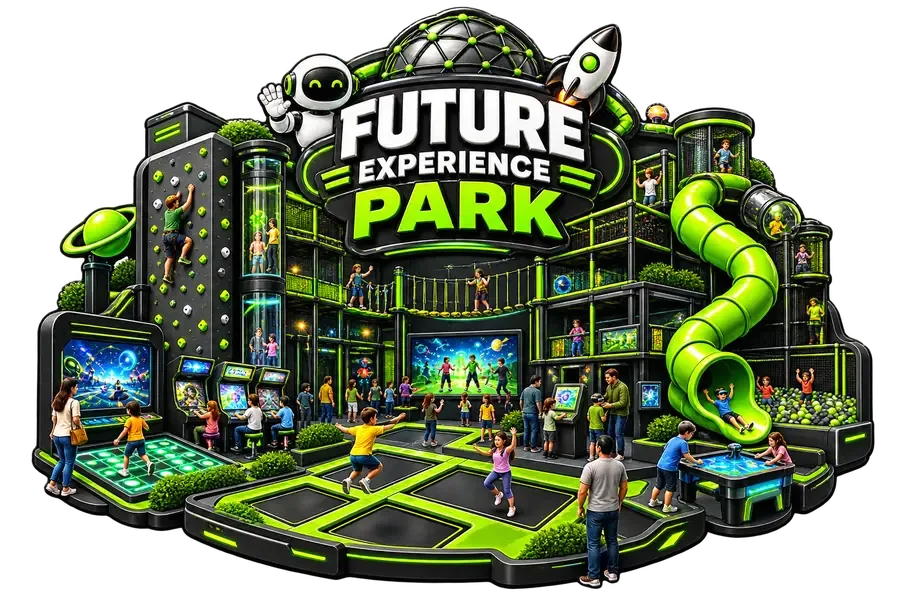
Our FEC Gap Taxonomy identifies recurring weaknesses across traditional family entertainment. These six structural gaps are especially important to repeat visitation, family value and long-term engagement.
Static attractions lose novelty. Changing themes, missions, programs, levels and events create new reasons to return.
The same experience for every child limits relevance. Profiles, interests, recommendations, saved projects and levels make later visits more personal.
Activity without belonging is easy to replace. Clubs, teams, competitions, collaboration and community programming create social reasons to return.
Parents too often wait, supervise and pay. Better concepts let adults relax, work, observe, connect, participate and understand the value.
Entertainment can do more than occupy time. Movement, thinking, creativity, problem-solving and visible outcomes can be embedded in play.
Technology should support creation, personalization, feedback and continuity — not simply add more passive screen time.
Future Experience research helps frame the concept, screen markets and understand the family behaviors that matter to entertainment destinations.
Identify recurring weaknesses in traditional family entertainment and translate them into design and programming requirements.
Study family behavior, repeat visitation, whole-family value and the reasons children and parents choose to return.
Use GIS screening, local demographics, competitive supply and property-level diligence to prioritize markets and sites.
Have a shopping center, mixed-use project, former big box, former cinema or another location that could fit one of our formats?